Scared of being the boss? That’s exactly why your hubs keep stalling.
There’s a sentence I hear in almost every movement, worded slightly differently each time. “We don’t want hierarchy. We want local hubs/chapters/teams to decide for themselves what works for them.”
It sounds great. Democratic, bottom-up, trusting. And it’s exactly why so many local hubs stall, fade out, or quietly drift off and do their own thing.
Not because central guidance is bad. But because the absence of it doesn’t create freedom. It creates a vacuum. And vacuums get filled, by whoever shouts loudest in the hub, by random decisions, or sometimes by no one at all.
Hierarchy isn’t a dirty word
Social movements have a complicated relationship with power. We want to be equal. We want everyone to have a say. Even the word “leader” feels a bit suspect, let alone telling a local hub what to do.
But here’s the paradox: hubs that get zero central direction don’t feel freer. They feel lost.
People need three things to actually function well: autonomy, competence, and belonging. The mistake most movements make is assuming autonomy means no structure at all. It doesn’t work that way. Autonomy only holds up when people also feel competent, and competence comes from clear expectations, not from the lack of them.
A hub that has no idea what’s expected centrally, what they’re allowed to decide on their own, and who to call when things go sideways, that hub isn’t autonomous. It’s abandoned.
The problem isn’t delegating. It’s how you delegate.
I keep seeing movements make one of two mistakes.
The first: they delegate nothing. Every decision, every budget line, every action needs sign-off from the central board. Hubs feel distrusted, everything slows to a crawl, and the most motivated people leave first, because they’re the ones who hit the bureaucracy wall hardest.
The second: they delegate everything, with zero guardrails. “You’re a hub, figure it out.” No guidelines, no support, no clarity on what’s expected centrally. It feels like freedom at first. Then it turns into chaos. Hubs drift in completely different directions. Some thrive. Others quietly disappear, because nobody told them what was expected, and nobody stepped in before it fell apart.
Both mistakes come from the same discomfort, the idea that structure and autonomy can’t coexist. They can. The question is on what you provide central direction.
What belongs centrally, what belongs locally
This is the question most movements never actually sit down and answer. And that’s exactly where things go wrong.
There’s no universal answer here. I’ve seen movements where almost everything sits with the hubs, and it works, because the mission is so clear that nobody needs to check in to know what’s right. I’ve seen others where pulling more back to the centre was exactly what stopped things from falling apart. Neither is automatically better. It depends on your movement, your stage, your people.
What matters more than the answer is the question itself, and whether you’ve actually had the conversation.
Ask yourselves: what happens if a hub gets this wrong? If a hub messes up how it communicates the mission, does that damage the whole movement, or does it just stay local? If a hub makes its own call on which actions to run, does that strengthen things, or does it create inconsistency that costs you trust elsewhere?
Some things will almost always lean central, legal and financial boundaries, for instance, or the non-negotiables that define what it even means to call yourself part of the movement: the mission, the core values, how the movement presents itself publicly. And some things will almost always lean local, how a hub activates its members, which events it runs, how it organises its own team day to day.
But “almost always” isn’t “always.” Where that line runs exactly, and how much sits with the hubs versus the centre, isn’t something you can copy from another organisation. It’s something you figure out together, through conversation.
A central team that meddles in a hub’s local agenda undermines that hub. But a central team that never has this conversation at all, that just assumes everyone already knows where the line is, undermines the whole movement.
Not every hub needs the same thing
Here’s the second trap. Movements treat all their hubs the same. One playbook, one rhythm of check-ins, one set of expectations, applied equally to a hub that launched last month and one that’s been running for five years.
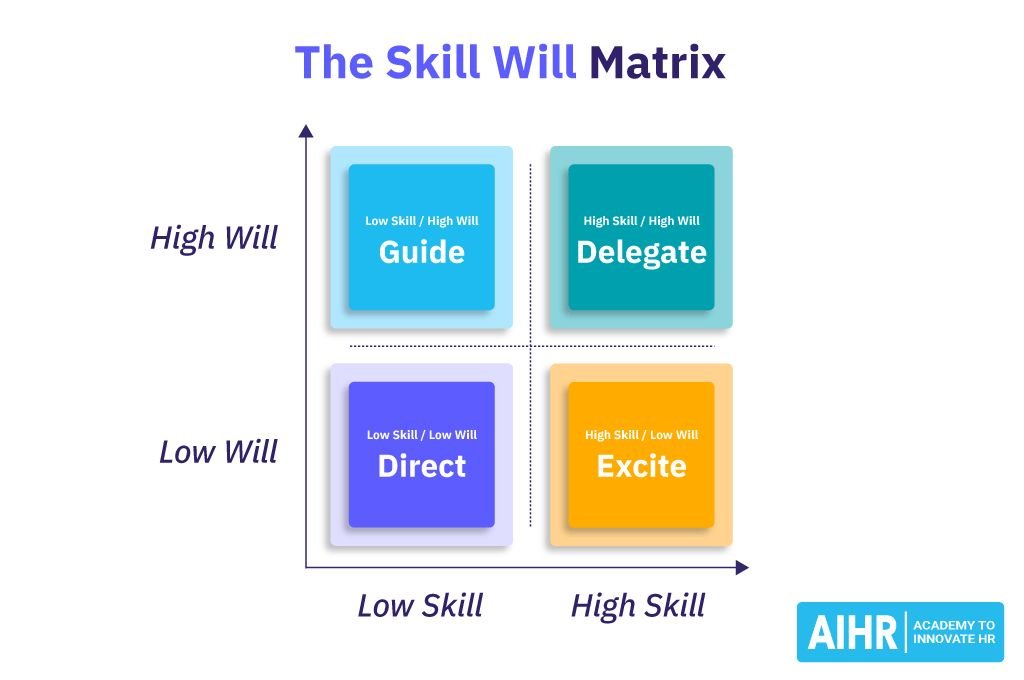
That doesn’t work. A useful way to think about it: look at two things per hub. Do they have the skills to operate independently? And do they have the motivation and commitment to actually do it?
High skill, high will. These hubs don’t need much from you. Trust them, give them room, check in occasionally. Over-managing here backfires, it reads as distrust toward people who’ve already proven themselves.
High skill, low will. Something else is going on. Maybe they’ve lost their connection to the mission. Maybe something went wrong earlier and the frustration is still there. This calls for a conversation about what’s underneath, not more oversight on execution.
Low skill, high will. Usually your newer hubs, full of energy, short on experience. They need real guidance, not because you don’t trust them, but because they don’t have the tools yet. Let them learn. Don’t let them drown.
Low skill, low will. The hardest one, and the one most movements avoid looking at directly. Sometimes this is the sign that a hub no longer fits the movement, or that something deeper needs to be talked through about why the energy disappeared.
Four hubs, four different kinds of leadership. Apply the same playbook to all of them and you’ll burn out your central team, and your hubs will feel unseen on top of it.
What this asks of central leaders
Here’s the uncomfortable part for anyone who’d rather say “we don’t do hierarchy”: you have to become visible as the one who sets the boundaries. Not as the boss. As the person who builds the space hubs can actually operate in.
Sometimes that means a hard conversation with a hub that’s drifted from the core values. Sometimes it means saying no to a hub that wants to do something that damages the brand. And it means accepting that some hubs need more attention than others, without that being unfair.
The test isn’t whether you’re exercising power. It’s whether the hubs you’re guiding are actually growing. Are they becoming more self-sufficient? Do they feel supported instead of controlled? Do they take initiative because the boundaries are clear, not in spite of having none?
A movement with no central direction isn’t a free movement. It’s a collection of separate hubs that happen to share a name. Real autonomy doesn’t come from removing structure, and it doesn’t come from copying someone else’s org chart either. It comes from actually asking, hub by hub, what needs to sit where, and having that conversation honestly instead of assuming everyone already agrees.
That’s not being the boss. That’s building the space other people can stand up in.